
What we know about stabbing on Flydubai flight to Israel
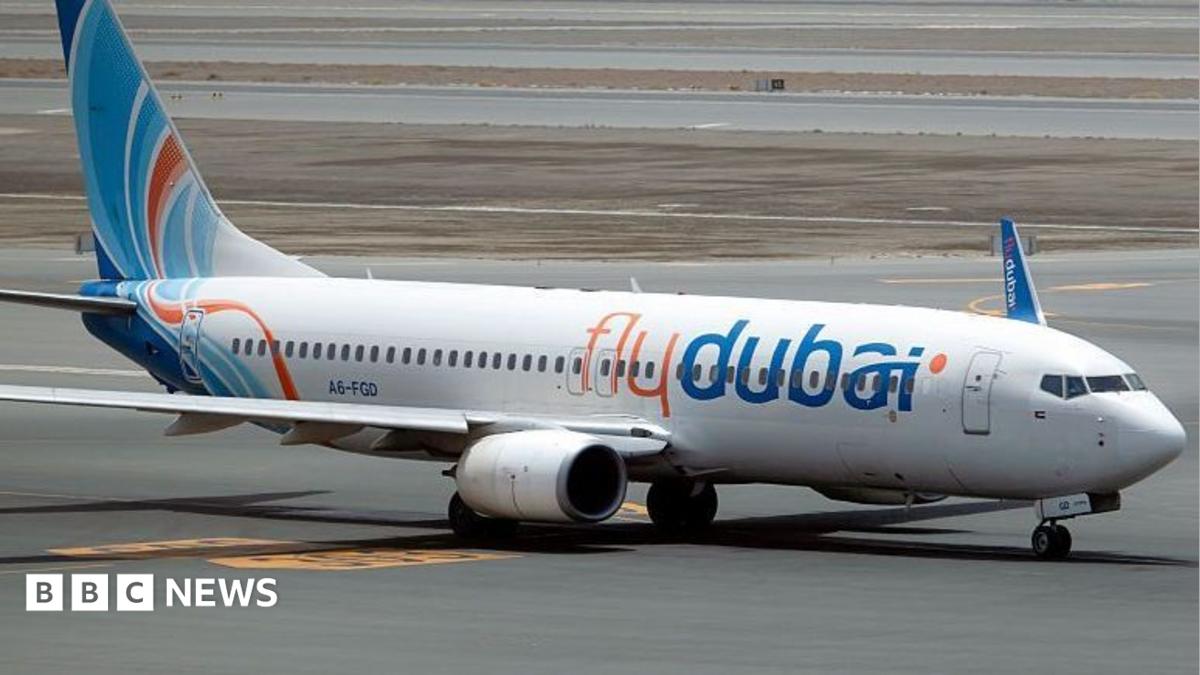
In an alarming development that has shaken the aviation industry, a routine journey turned into a harrowing nightmare as a Flydubai flight traveling from Dubai to Tel Aviv was forced to make an emergency diversion. The mid-air incident, which occurred on Wednesday, was characterized by violence inside the cockpit, with reports confirming that one pilot allegedly stabbed another, leading to a desperate struggle for control of the aircraft while it was cruising at altitude.
As authorities scramble to piece together the events, the implications for aviation safety remain a primary concern. The incident prompted an immediate, high-stakes emergency response involving regional air forces and international cooperation. For more context on global transport safety and associated incidents, readers can visit Wikipedia to understand established protocols for in-flight emergencies.
The Anatomy of the Flydubai Flight Incident
The ordeal began early in the morning when flight FZ1073 took off from Dubai International Airport. Everything appeared normal until approximately two and a half hours into the trip. Tracking data provided by Flightradar24 recorded an abrupt, rapid descent. Within a span of less than two minutes, the aircraft plummeted more than 17,000 feet, signaling a critical failure or human intervention. The pilot-in-command promptly signaled a 7700 squawk, the universal code for a general emergency, before escalating the alert to a 7500 code, which specifically denotes a hijacking.
Reports indicate that the plane veered off course, looping back into Saudi Arabian airspace before making a manual, forced landing at Tabuk Airport. The atmosphere onboard was understandably chaotic, as passengers realized the aircraft was spiraling out of control. Many on board were Israeli citizens returning home, and their quick thinking is being credited for preventing a catastrophic disaster. As one passenger described the scene, the cockpit door was eventually breached, and civilians assisted in subduing the attacker, effectively stabilizing the plane until professional control could be restored.
Heroism Amidst Terror
The response from the passengers, including one individual who cited his familiarity with aviation documentaries as a factor in his ability to assist, has been described as heroic. Yaniv Hayun, a passenger who stepped up during the crisis, explained to officials how he and others managed to restrain the attacker using makeshift items like multimedia headphones and zip ties. This level of intervention is rarely seen in modern commercial aviation, where cockpit security is typically impenetrable.
Meanwhile, government officials are still assessing the motive. While some authorities have used strong language regarding the nature of the attack, investigators are continuing their work to determine if this was a singular act of violence or part of a broader security concern. Similar tensions in global regional politics often create high-pressure environments, though investigators remain cautious about jumping to conclusions before evidence is fully processed. For those following international security developments, you can read more about US appeals court halts Tennessee execution of Christa Pike to understand how different legal and security systems manage high-stakes public events.
This is not the first time airline safety has been brought into question by internal cockpit conflicts. The aviation community is now waiting for the official report from Saudi authorities, who currently hold the suspect in custody. Experts suggest that such incidents will likely prompt a global review of psychological screening for flight deck crew members, potentially leading to stricter, more frequent evaluations to ensure that those in control of the aircraft are fit for duty. The BBC has provided ongoing coverage of the investigation as it unfolds, emphasizing that while the physical danger has passed, the trauma for the passengers and crew involved remains substantial. As the aviation industry processes this event, the focus will undoubtedly shift toward how to better protect the flight deck from internal threats in the future.