
Commercial LPG Gets Costlier: 19-kg Cylinder Price Hiked By Rs 62.50 In Delhi
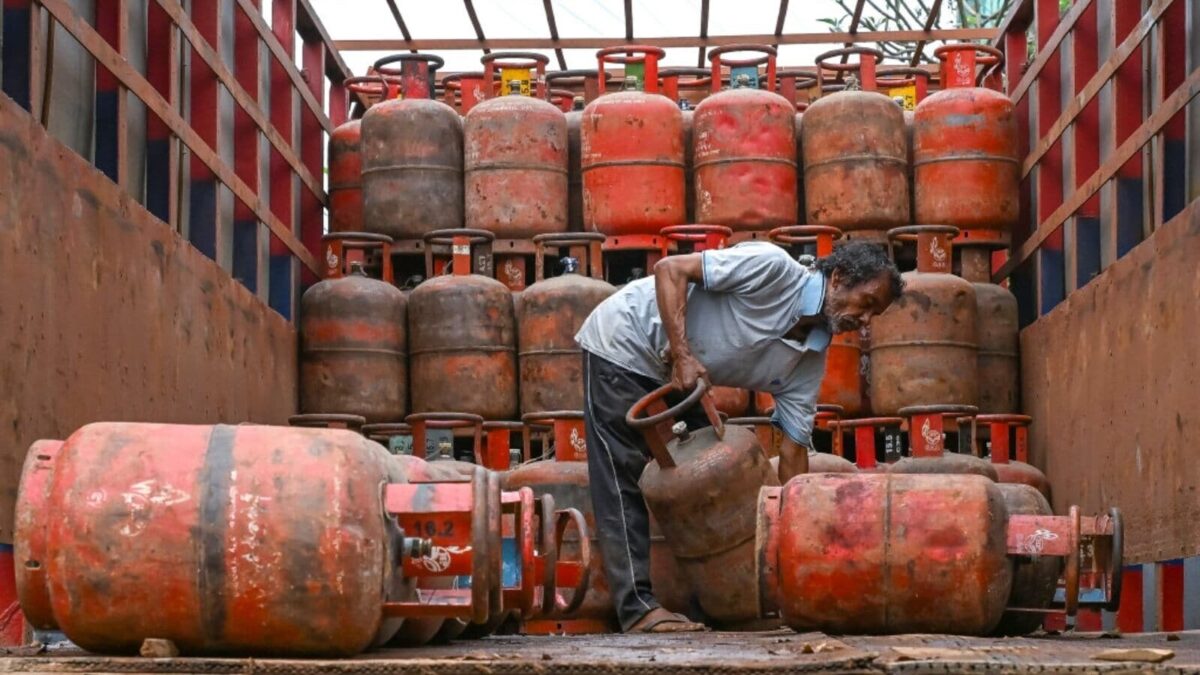
The landscape for business owners in India has shifted slightly as of October 1, 2026, with a noticeable surge in the cost of fuel. A recent commercial LPG price hike has sent ripples across the hospitality and food service sectors, creating immediate challenges for establishments that rely on consistent energy costs to maintain their thin margins. In New Delhi, the cost of a standard 19-kg cylinder has climbed by Rs 62.50, bringing the total price per unit to Rs 2,810. This latest adjustment represents a significant jump, particularly for smaller businesses, following a smaller uptick of Rs 9.50 that occurred just last month.
The Impact of the Commercial LPG Price Hike
This upward revision arrives at a precarious moment for the hospitality industry. With the festive season fast approaching, demand for catering, hotel accommodations, and restaurant services is expected to peak. For many owners, these rising operational costs could force difficult decisions, including potential price increases for customers. The phenomenon of energy volatility remains a complex issue; you can learn more about the global factors influencing gas markets here. In other regions, the impact is even more pronounced, with cities like Patna seeing an increase of Rs 71.50 per cylinder.
While business owners grapple with these expenses, households may find some solace. According to current official updates, the prices for domestic LPG cylinders remain unchanged. This distinction is vital for families already navigating inflationary pressures on essential goods. It is a recurring pattern where market-linked pricing for industrial fuel deviates from the subsidized or regulated rates often applied to domestic consumption. For those tracking broader socio-economic developments, it is useful to stay informed, much like when analyzing public health access and equity.
Why Costs Are Rising
The pricing of 19-kg commercial LPG cylinders in India is primarily determined by international fuel benchmarks and currency fluctuations. When global oil prices surge or the rupee weakens against the dollar, the domestic cost for importers typically rises. This recent commercial LPG price hike is a direct reflection of these global market conditions. The recurring nature of these adjustments suggests that restaurateurs and hoteliers must continue to build resilience into their business models to absorb or pass on these costs effectively.
Moreover, the timing of this increase, occurring just before a period of high economic activity, suggests that fuel distributors are keeping pace with global supply trends rather than adjusting for local seasonal demand. While government officials have not announced any specific subsidies for commercial users, industry associations are likely to watch the situation closely as they prepare for the influx of holiday business. The reliance on this fuel source is near absolute for professional kitchens, making the commercial LPG price hike a significant factor in the broader inflationary narrative. As it stands, the market remains volatile, and further shifts in global energy supply chains could influence prices again before the end of the year.
As these businesses look toward the coming months, the focus will undoubtedly be on optimizing energy efficiency and managing overheads. While domestic consumers are spared for now, the economic ripple effect of higher commercial fuel costs often finds its way into the final price of dining and travel services. Keeping a close watch on these monthly adjustments has become a standard requirement for anyone managing commercial operations in the current economic climate.