
It’s the ‘closest thing to an HIV vaccine’, but who gets access?
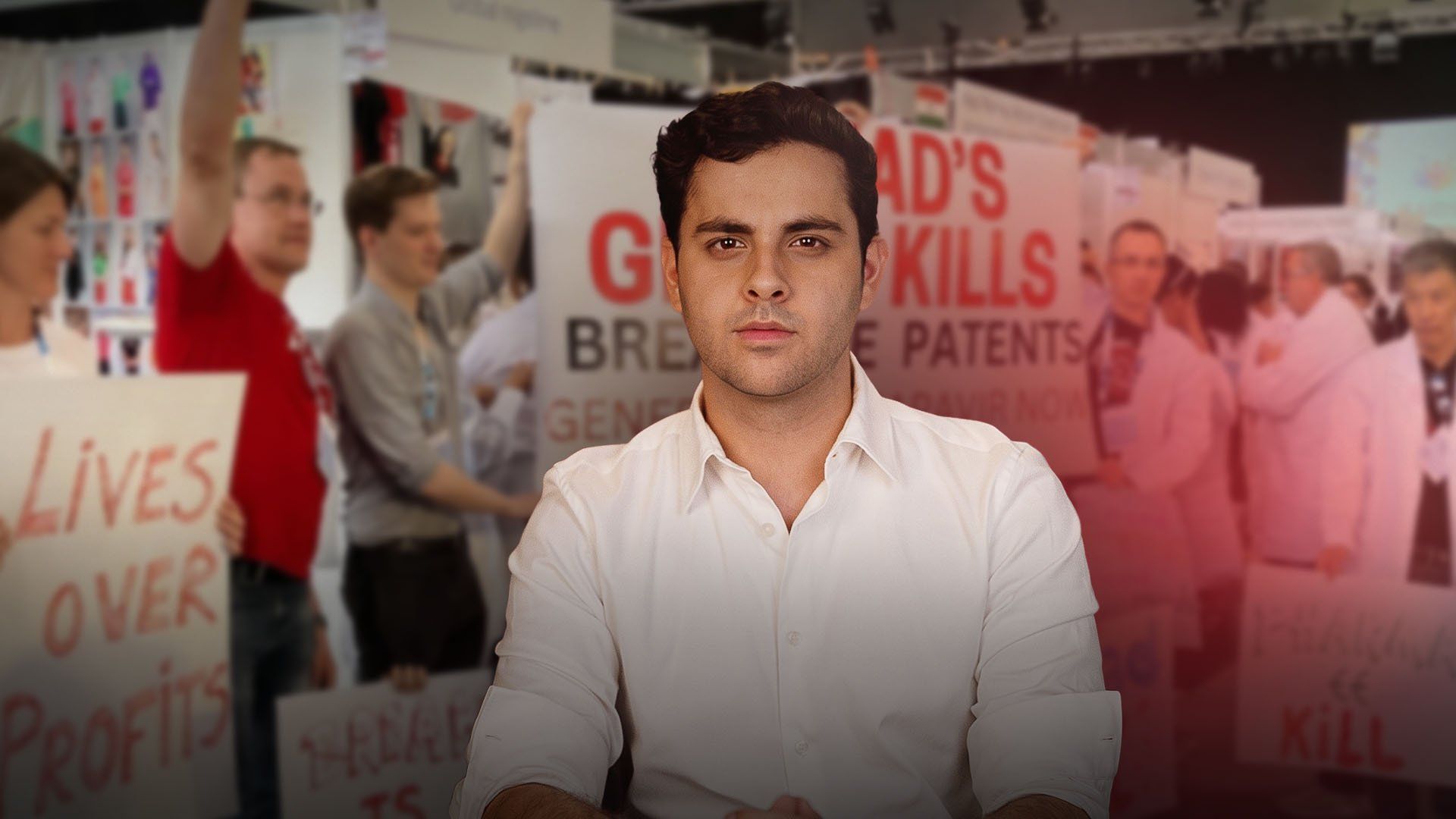
In the ongoing global battle against infectious diseases, medical science has achieved a remarkable breakthrough. A twice-yearly injection has emerged as a game changer in HIV prevention, being hailed by experts as the closest thing to an effective vaccine. Yet, as this life-saving treatment becomes available, a distressing reality persists. Millions of individuals who need this protection remain unable to access it, highlighting a profound disparity in global health equity. The struggle to distribute this breakthrough therapy involves complex negotiations over pharmaceutical patents, public funding, and the systemic barriers that prevent life-saving technology from reaching the world’s most vulnerable populations.
The Promise and Politics of HIV Prevention
The introduction of long-acting injectable pre-exposure prophylaxis (PrEP) represents a seismic shift in public health strategy. Unlike traditional daily oral medications that require strict adherence, this biannual shot offers a more convenient and reliable path for those at high risk of contracting the virus. However, the path from clinical success to widespread distribution is fraught with obstacles. Pharmaceutical companies, which hold the intellectual property rights, often maintain high price points that render the drug inaccessible for many low-to-middle-income nations. This has sparked intense debates among health advocates who argue that public money, often utilized in the research and development phases of such drugs, should entitle the public to broader, more affordable access.
As global health funding continues to shrink, international organizations are forced to prioritize limited resources. This creates a triage scenario where only specific groups receive subsidized access while others are left to navigate the high costs on their own. This systemic failure to prioritize distribution is not merely an economic concern, but a matter of human rights and bodily autonomy. Journalists and activists are increasingly scrutinizing how these pharmaceutical entities influence international policy and the subsequent impact on community health outcomes. For those interested in the broader context of legal and societal barriers to entry, it is essential to consider cases like the legal challenges regarding migration and residency, which often intersect with health access issues for marginalized individuals living in foreign jurisdictions.
Addressing the Global Funding Crisis
The current landscape of HIV prevention is heavily impacted by the decline in consistent international support. Many donor countries are shifting their priorities, leaving significant gaps in programs that were once robustly supported. This volatility in funding places an immense burden on local health systems that are already struggling with limited infrastructure. Without a unified effort to negotiate lower prices or promote generic production, the potential of this revolutionary injection will likely remain unfulfilled for the majority of the human population. The discrepancy between what is scientifically possible and what is economically permissible remains the defining tragedy of modern medicine.
Moreover, the influence of pharmaceutical power cannot be overstated. When companies prioritize profit margins over public welfare, it undermines the trust that communities place in health institutions. Transparency in pricing and licensing is a fundamental requirement for achieving universal health coverage. Organizations like the World Health Organization have continuously called for more equitable pathways to ensure that medical innovations do not become exclusive tools for the wealthy. As long as these barriers exist, the global community will struggle to contain the spread of the virus effectively, despite having the tools to do so.
In conclusion, the disparity in HIV prevention access is a symptom of a much larger, systemic inequality. While the twice-yearly injection holds the promise of a future where new infections are dramatically reduced, this future requires a complete overhaul of how we value human life versus corporate revenue. Without genuine commitment from global leaders, the promise of this medical marvel will remain just that, a distant and unreachable prospect for millions.