
Aradhana Mishra Appointed New UP Congress Chief, Imran Masood Working President Ahead Of 2027 Polls
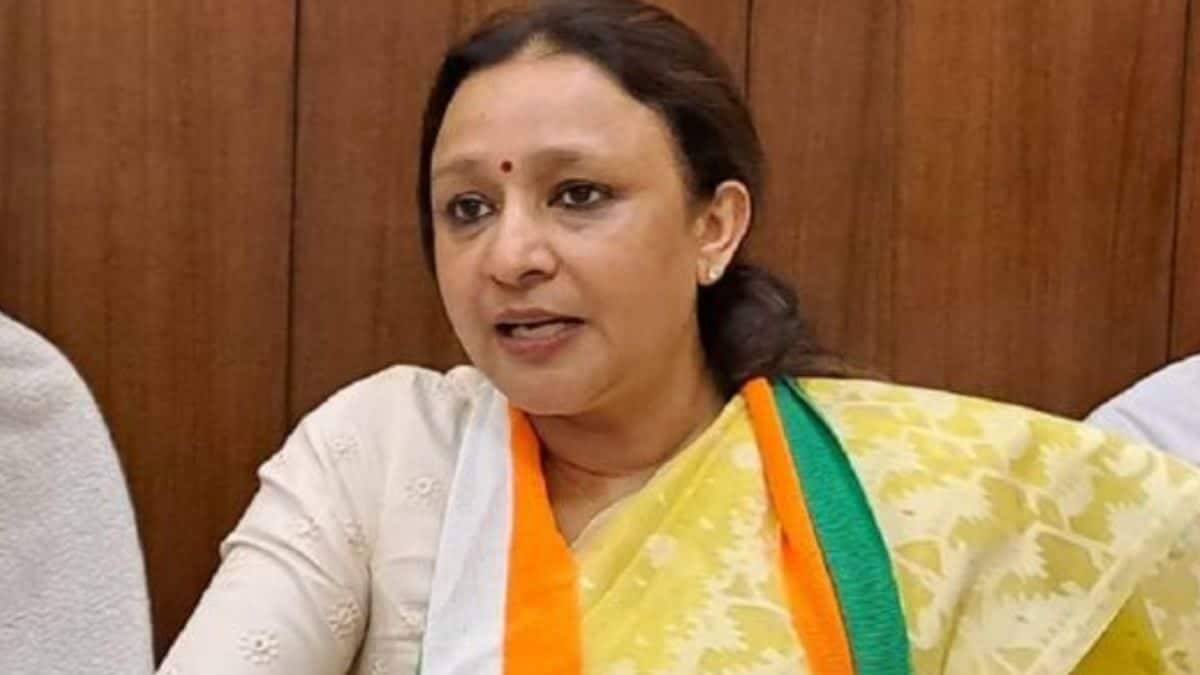
In a major political overhaul designed to fortify its grassroots presence, the Indian National Congress has announced the appointment of Aradhana Mishra as the new UP Congress chief. This strategic decision comes as the party intensifies its preparations for the upcoming 2027 assembly elections in Uttar Pradesh, a critical battleground for national political dominance. Accompanying this transition, Imran Masood has been designated as the working president, signaling a duo-led approach to navigate the complexities of the state’s diverse electorate.
The move to install Aradhana Mishra is widely perceived by political analysts as an attempt to infuse fresh energy into the state unit. By leveraging her organizational experience, the Congress high command aims to restructure its internal machinery, which has faced significant hurdles in recent years. This restructuring is not merely about leadership changes but reflects a broader, calculated effort to consolidate the party’s platform against seasoned political opponents. To understand the broader context of regional political shifts, readers may find interest in recent global trends in civic engagement, which often parallel the grassroots movements seen in Indian state politics today.
The Strategic Vision for UP Congress
The appointment of Aradhana Mishra as the new UP Congress chief serves as the centerpiece of a wider organizational reboot. The party faces the immense task of regaining lost ground in India’s most populous state. By appointing Imran Masood as the working president, the leadership is clearly emphasizing the need for robust fieldwork and community outreach. The collaboration between these two leaders is expected to be instrumental in balancing regional interests and national-level messaging.
Political observers note that the selection process was highly deliberated, focusing on individuals who possess both loyalty to the party and a demonstrated ability to mobilize voters at the district level. This is not the first time the party has reshuffled its state-level leadership; however, the timeline of this change suggests a long-term plan rather than a reactionary measure. For those following how party dynamics change under pressure, our report on leadership succession discussions offers further insight into how such changes ripple across the national political spectrum.
Why This Matters for 2027
As the countdown to 2027 begins, the UP Congress must contend with entrenched political narratives and a highly active opposition. The party leadership is under pressure to move beyond traditional campaign methods and adopt a more digitally integrated approach. According to historical records of the political party, institutional adaptability is often the key to survival in the volatile landscape of Indian democracy. Aradhana Mishra and Imran Masood will need to focus on identifying winnable constituencies, fostering new alliances, and addressing the primary concerns of the youth and rural voters who are pivotal to success in Uttar Pradesh. The effectiveness of this new leadership structure will be tested long before the first vote is cast, as the duo must first succeed in streamlining the internal organizational structure.
Whether these appointments lead to a significant electoral shift remains an open question for voters and pundits alike. The focus remains on whether Aradhana Mishra can unify the factions within the party and build a narrative that resonates with the people of Uttar Pradesh.