
DRC politician beaten to death after radio appearance about Ebola outbreak
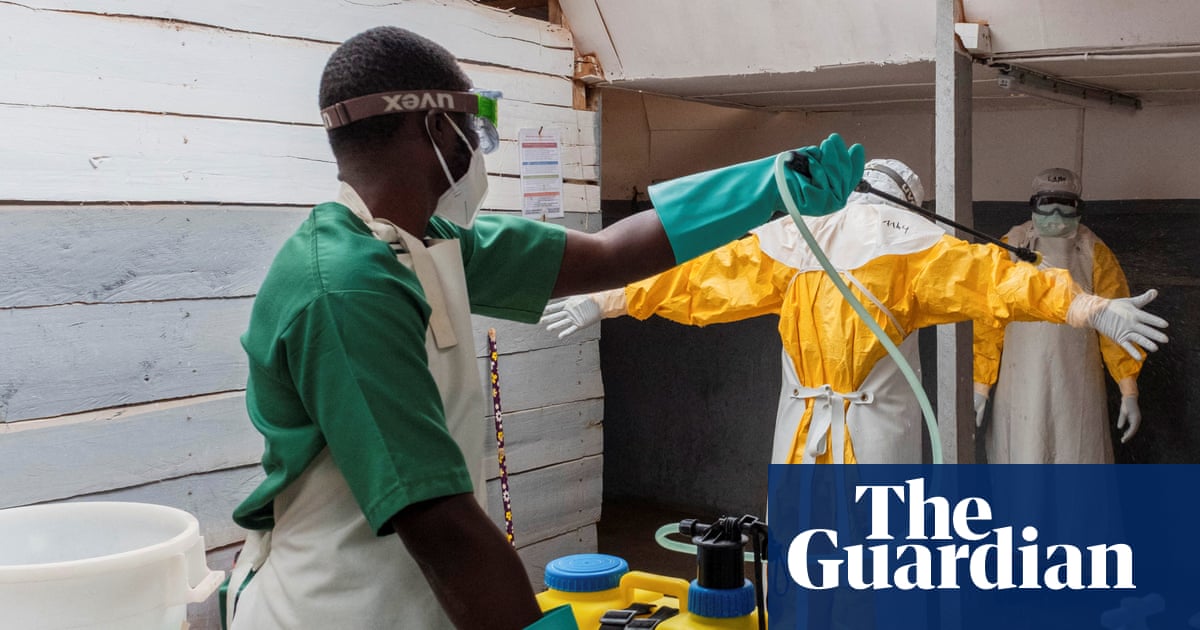
A senior member of the Democratic Republic of the Congo’s ruling party, Marie-Celestin Karondwa, was tragically beaten to death this past Sunday. This horrific incident occurred shortly after he appeared on a local radio program to advocate for essential preventative measures aimed at curbing the devastating Ebola outbreak currently ravaging the region. As the acting president of the Union for Democracy and Social Progress party in Butembo, Karondwa had become a vocal advocate for public health transparency, a stance that evidently put him at direct odds with factions promoting dangerous misinformation.
The brutality of the assault is difficult to comprehend. According to an official statement released by the party, the attackers not only beat Karondwa but proceeded to loot his personal belongings before callously setting his home on fire. The severity of the injuries sustained in this assault ultimately led to his death. While the specific identities of the perpetrators remain unknown, the targeting of a political figure for his stance on the crisis highlights the volatile environment surrounding the current Ebola outbreak. The party has characterized Karondwa as an innocent victim who paid the ultimate price for defending the scientific reality of the virus against pervasive and malicious myths.
Understanding the Ebola Outbreak in the DRC
The tragedy in Butembo is far from an isolated event. It is the latest in a series of violent attacks against healthcare professionals and medical infrastructure in the Democratic Republic of the Congo. These incidents are largely fueled by deep-seated distrust of health responders and a chaotic information ecosystem where rumors often travel faster than medical facts. For context on regional instability that complicates such crises, you may read about fighting between rival forces in Somalia’s Baidoa to understand how conflict often exacerbates humanitarian emergencies.
First identified in 1976 within the borders of what is now the DRC, this viral disease remains one of the most feared pathogens on the planet. It is highly contagious, often fatal, and spreads primarily through contact with body fluids or contaminated materials. The physiological impact is catastrophic, leading to severe organ damage, systemic blood vessel impairment, and internal bleeding. The strain responsible for the current crisis, the rare Bundibugyo virus, is particularly concerning because it lacks a widely approved treatment or vaccine, leaving frontline workers with limited options for intervention.
The Escalating Humanitarian Crisis
Since the official announcement of the current surge on May 15, the numbers have been staggering. Recent data provided by the DRC health ministry indicates that the disease has already infected over 8,000 individuals and claimed more than 3,900 lives. With cases confirmed across seven provinces, the geographic spread is accelerating at an alarming rate. This makes the current Ebola outbreak the largest and most lethal in the history of the Democratic Republic of the Congo.
International observers, including the World Health Organization, have issued repeated warnings that the situation is on a dangerous trajectory. The current metrics suggest this health crisis has already surpassed the 2014-16 outbreak in West Africa, which was previously considered the global benchmark for such disasters. Experts point to a perfect storm of environmental and social factors contributing to the rapid expansion of the disease:
- Persistent regional conflict hindering aid delivery.
- Drastic cuts in international humanitarian funding.
- Violent hostility directed toward doctors and vaccination clinics.
- Prevalent medical misinformation leading to community avoidance of health centers.
The situation remains fluid and precarious. As the international community watches, the primary challenge remains bridging the gap between public health initiatives and local communities. For more on how regional instability affects vital services, consider the analysis on India’s oil supply management, which demonstrates the complexities of maintaining order during regional tensions. The death of Marie-Celestin Karondwa serves as a grim reminder that in the fight against the Ebola outbreak, the greatest hurdle is often the human element of fear and violence. Ensuring the safety of those who provide life-saving information is now a priority as critical as the medical treatment itself.