
Ireland vs Israel Nations League match will go ahead, coach confirms
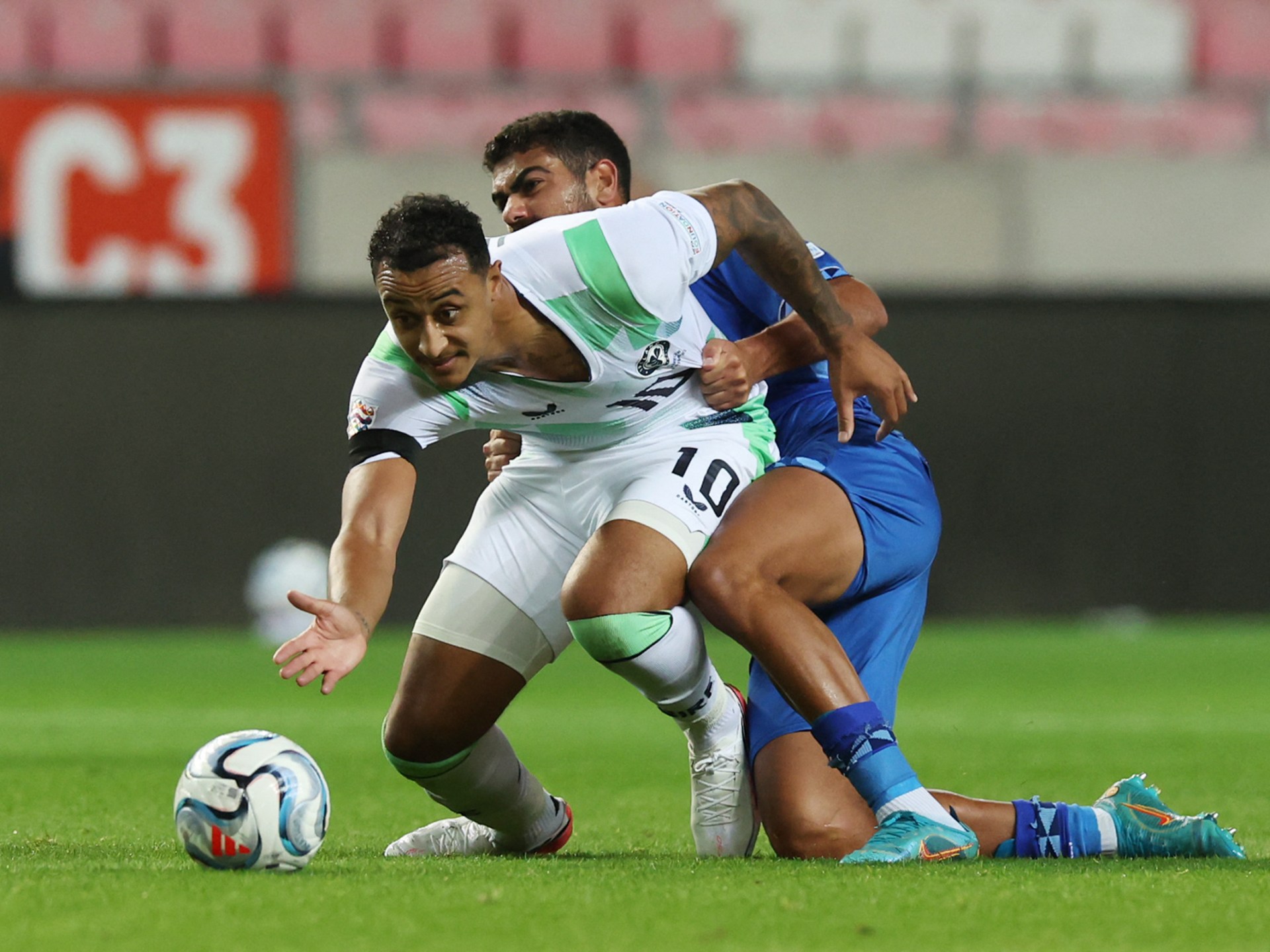
The Football Association of Ireland (FAI) has confirmed that the national football team will proceed with their scheduled Nations League fixture against Israel, a decision that comes amidst mounting public pressure and political friction. The Ireland Israel Nations League controversy has dominated sports headlines, with players, coaches, and spectators grappling with the intersection of international diplomacy and professional sports. Head coach Heimir Hallgrimsson maintains that the squad remains committed to fulfilling their competitive obligations, even as the ethical implications of the match continue to spark intense debate across the country.
Understanding the Ireland Israel Nations League Dilemma
The tension surrounding the Ireland Israel Nations League fixtures is not merely about athletic competition. It is deeply rooted in the current geopolitical climate, specifically the ongoing war in Gaza. For many, stepping onto the pitch against the Israeli side is viewed as a tacit endorsement of policies that large segments of the Irish public vehemently oppose. Despite these concerns, Hallgrimsson reiterated the FAI’s stance during a recent press conference in Dublin, emphasizing that the decision to play was made long before the team arrived at their training camp.
The situation took a somber turn during the initial encounter in Hungary. The atmosphere was fraught with emotion as players opted for silent gestures of solidarity. Notably, the Irish team wore black armbands and bowed their heads during the Israeli national anthem, a deliberate departure from customary pre-match protocols. These subtle yet powerful acts served as a visual testament to the complexities these athletes face when professional duty conflicts with personal conscience. To understand how such geopolitical tensions play out in other regions, one might examine the broader context of diplomatic strain regarding current Middle Eastern conflicts.
Racism and Controversy on the Pitch
The first leg of the fixture, held in Debrecen, was marred by reports of unacceptable behavior from the stands. Irish forward Adam Idah was reportedly targeted by racist chants, an incident that has triggered widespread condemnation. According to reports from the British Broadcasting Corporation, these incidents were allegedly captured on video, yet the lack of official disciplinary action from the governing body has further fueled public outrage. The failure of UEFA to open a formal investigation, attributed to the contention that specific reporting protocols were not followed by the Irish side, has left many questioning the adequacy of existing mechanisms to protect players from racial abuse.
The isolation of the players was palpable. The match was played in a near-empty stadium, adding a surreal quality to the competition. The tradition of exchanging pennants and shaking hands was abandoned by both sides, signaling a complete breakdown in the standard ceremonial sportsmanship expected in international UEFA competition. While the team secured a 3-0 victory on the scoreboard, the victory was arguably overshadowed by the surrounding narrative of boycott and moral protest.
Gavin Bazunu, the team’s primary goalkeeper, became the face of individual dissent. By officially opting out of the match, he underscored the personal cost that players are increasingly willing to pay to align their professional actions with their values. His public statement resonated with many, providing a voice to those who believe that sports organizations should be more responsive to the humanitarian crises occurring globally. As the team looks ahead to their upcoming matches, the weight of these ethical choices remains a constant companion to their physical training.
Looking beyond the immediate pitch drama, the sports world has seen similar disruptions in various formats. For instance, high-profile conflicts often reach the highest levels of governance, much like the complex legal battles witnessed in other democratic nations. The Ireland Israel Nations League saga serves as a reminder that football is rarely just about the game itself. It is a mirror reflecting the broader anxieties and moral imperatives of the modern era, forcing stakeholders to confront questions of accountability, representation, and the true meaning of the beautiful game.