
Will Rahul Gandhi Be INDIA Bloc’s PM Candidate In 2029? Here’s What Mamata Banerjee Said
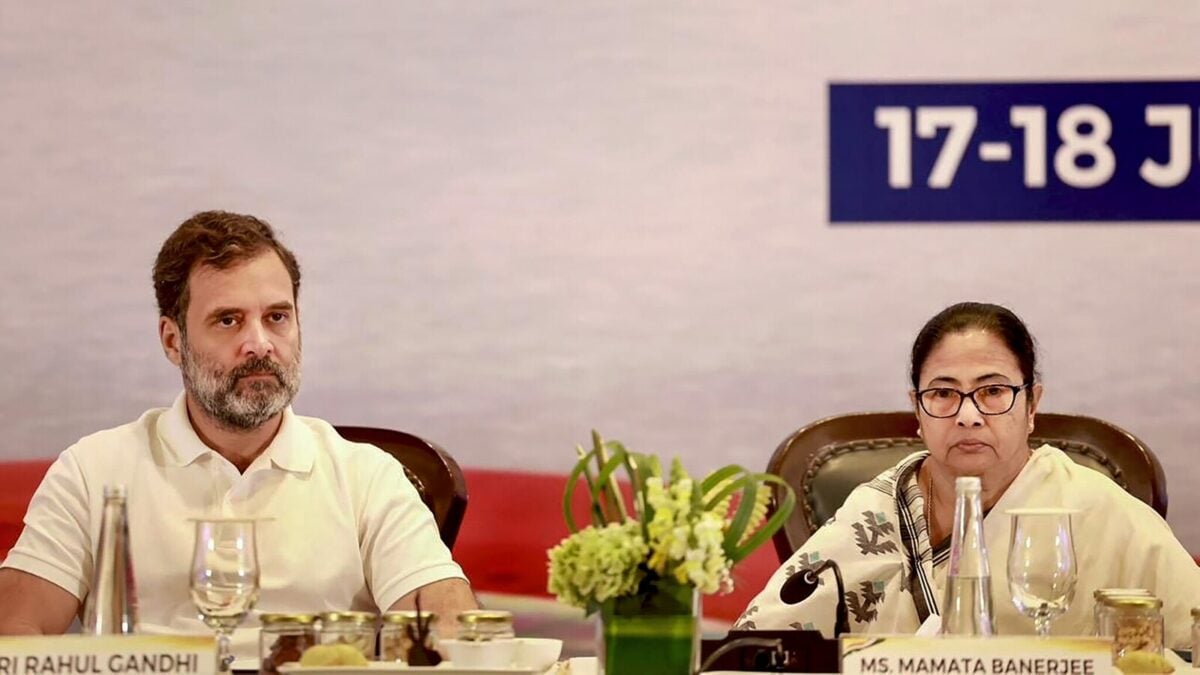
The question of who will lead the opposition in the 2029 Lok Sabha election has become a persistent point of friction within the political landscape of India. As the alliance prepares for the next national cycle, the search for a definitive INDIA bloc PM candidate has created public tension rather than the cohesive front the coalition desires. During a recent high-stakes gathering in New Delhi, this leadership vacuum was once again thrust into the spotlight, proving that internal unity remains a complex hurdle for the opposition.
The meeting, ostensibly called to formulate a strategy regarding the Election Commission and specific concerns about Chief Election Commissioner Gyanesh Kumar, quickly pivoted toward the sensitive topic of top-tier representation. When reporters pressed Trinamool Congress chief Mamata Banerjee on whether the Congress party’s Rahul Gandhi would serve as the unified face of the opposition for the 2029 contest, the response was neither an endorsement nor a denial. Instead, it was a moment of tactical silence that speaks volumes about the fragility of the alliance.
The Debate Over the INDIA Bloc PM Candidate
Mamata Banerjee, a seasoned strategist, opted to deflect the inquiry with an enigmatic comment suggesting that the candidate could be the journalist asking the question, before promising a formal update at a future press conference. This refusal to commit to a specific name underscores the ongoing debate between the Congress, which frequently positions its own leaders at the forefront, and regional allies who are understandably wary of elevating a single face too early. According to recent reporting on political stability, such hesitations are common when multiple parties with distinct regional interests attempt to build a national consensus. The strategy for the opposition remains a delicate balancing act, as they seek to challenge the BJP while avoiding internal power struggles that could alienate key regional voters.
The discourse surrounding the INDIA bloc PM candidate has evolved significantly since the coalition formed in 2023. At that time, the goal was simple, yet ambitious, creation of a formidable alternative to the government. Today, that goal is complicated by the disparate ambitions of the member parties. While figures like Tamil Nadu Minister P. Viswanathan have publicly declared that Rahul Gandhi is the only logical choice, others, including Banerjee, have maintained that the focus should remain on a collective fight rather than an individual projection.
Meanwhile, the ruling BJP has been quick to capitalize on these internal signals. Union Minister Shivraj Singh Chouhan recently took a sharp jab at the opposition, characterizing the current leadership discourse as Gandhi’s fiftieth attempt to relaunch his career. Chouhan argued that if the coalition members were truly united, they would have coalesced behind a single leader long ago, but their silence suggests a deep-seated lack of consensus. For those interested in how these types of political pressures impact broader governance, you can find additional global context on political transitions that often parallels the situation currently unfolding within the Indian opposition.
The Future of the Alliance
The uncertainty surrounding a singular face for the 2029 elections does more than just invite criticism from the ruling party, it raises fundamental questions about the structural integrity of the opposition. When voters consider their options, they often look for clear, decisive leadership. If the coalition cannot agree on who represents their vision, the electorate may perceive a lack of readiness. As the dust settles from the New Delhi meeting, the pressure on leaders to present a united front will only intensify. The coming months will likely be defined by negotiations, subtle power plays, and the constant search for a compromise that satisfies both the national ambitions of the Congress and the state-level requirements of their regional partners.
Ultimately, the challenge for the coalition is to transition from a group of parties with shared grievances to a cohesive platform with a singular, marketable vision. Whether or not they can settle on a INDIA bloc PM candidate, the upcoming legislative sessions and state elections will serve as the true testing ground for their collective resolve. The political climate remains fluid, and as history has often shown, the path to building a national alternative is rarely straightforward or without internal friction.